What Should I Feed My Dog: Different Diets Explained
Choosing what to feed a dog is one of the most common and often confusing questions dog guardians face. “What should I feed my dog?” is something I discuss in almost every consultation, whether as part of preventive care, weight management, or as a supportive measure alongside medical treatment.
There is no single diet that suits all dogs, yet guardians now face an increasing range of feeding options, from traditional dry and wet foods to raw, grain-free, vegan, and prescription diets. Each of these diets is associated with specific claims, perceived benefits, and potential risks, which are not always clearly explained.
This article does not aim to identify a universally “best” diet. Instead, it explains the main types of dog diets currently available, outlining how they differ in formulation and what current scientific evidence tells us about their benefits and limitations. The aim is to provide a clear, evidence-based overview to support informed discussions between dog guardians and their veterinary teams.
What should I feed my dog: a tailored approach
There is no single diet that suits all dogs. Nutritional needs vary widely depending on breed, age, activity level, and individual tolerance. Life stage is probably the most important determinant when choosing or formulating a diet. Indeed, growing animals, neutered adults, pregnant females, and senior dogs all have very different energy and nutrient requirements. In addition, certain medical conditions, such as allergies, kidney or liver disease, pancreatitis, or diabetes, further influence what is appropriate, but these situations should always be discussed with your vet.
Commercial diets
Dry vs wet food
In healthy dogs, choosing between wet and dry food makes little difference. What matters far more is feeding a balanced, complete diet, one that meets all nutritional requirements without excesses or deficiencies. For a given brand and range, wet food is usually nutritionally similar to dry food, with the main difference being its higher moisture content. This often increases palatability, and wet food is therefore preferred by most dogs. Wet food is generally more expensive and less convenient to store, largely because of its higher moisture content.

Highly processed diets
Traditional commercial dog foods cover a wide spectrum, from supermarket brands to well-established premium and veterinary ranges, with significant variability in formulation quality. These diets are typically highly processed and often have long ingredient lists, with wide variation in ingredient sourcing and quality. Some formulations rely heavily on animal by-products, which can range from nutritionally valuable organs to lower-quality components, depending on the manufacturer. Their main advantages are affordability, wide availability, and the fact that many have been formulated, tested, and successfully used in large dog populations over long periods.
Fresh ingredients dog food
Fresh ingredient diets have emerged over the past decade as an alternative to traditional commercial foods. They are usually marketed as containing higher-quality ingredients, such as whole cuts of meat, fresh vegetables, and fruits, and are often tailored to the individual dog based on characteristics such as age, size, activity level, or reported dietary sensitivities. These diets are commonly sold via subscription models and may be available in either wet or dry forms. Reported benefits include high palatability, greater ingredient transparency, and a premium feeding experience. However, they are usually more expensive and may raise sustainability concerns, depending on sourcing and production methods.
Raw diets
Raw diets are very popular, and because they are highly digestible, many dogs appear to do well on them. Guardians usually report good appetite, coat quality, and stool consistency. While clear long-term health benefits over balanced commercial diets have not been consistently demonstrated, raw feeding can be well tolerated by some animals. However, from a veterinary perspective, there are significant risks that prevent us from confidently recommending raw feeding. Raw diets carry recognised public health risks, as they are frequently contaminated with dangerous bacteria, such as E.coli, Clostridium, Campylobacter and Salmonella, which dogs can shed for one to two weeks without showing any clinical signs. This creates a risk of indirect transmission to humans. For guardians who still choose raw feeding, commercially prepared frozen raw diets are preferable to raw meat intended for human consumption, which is designed to be cooked. Even then, careful handling and strict hygiene are essential, though they remain insufficient to eliminate all risk.
Grain-free diets
Grain-free diets are most often marketed for dogs with suspected food allergies, particularly reactions to cereal grains such as wheat, corn, or rice, which do occur clinically, often alongside other food sensitivities. By removing grains, these diets rely on alternative carbohydrate sources such as potatoes, sweet potatoes, cassava, or legumes like peas, lentils, and chickpeas, resulting in very different formulations from one product to another. Potential benefits include improved digestive tolerance in some animals, depending on fibre type, and possible benefits for glycaemic control in selected patients. Evidence remains, however, limited and highly formulation-dependent.
Grain-free diets are not without risks. In dogs, some formulations have been associated with dilated cardiomyopathy. This association, however, appears inconsistent across studies: it is more likely multifactorial and related to ingredient composition rather than grain exclusion itself. Because of this variability, grain-free diets should be assessed on an individual basis rather than assumed to be universally safer or healthier.
Vegan diets
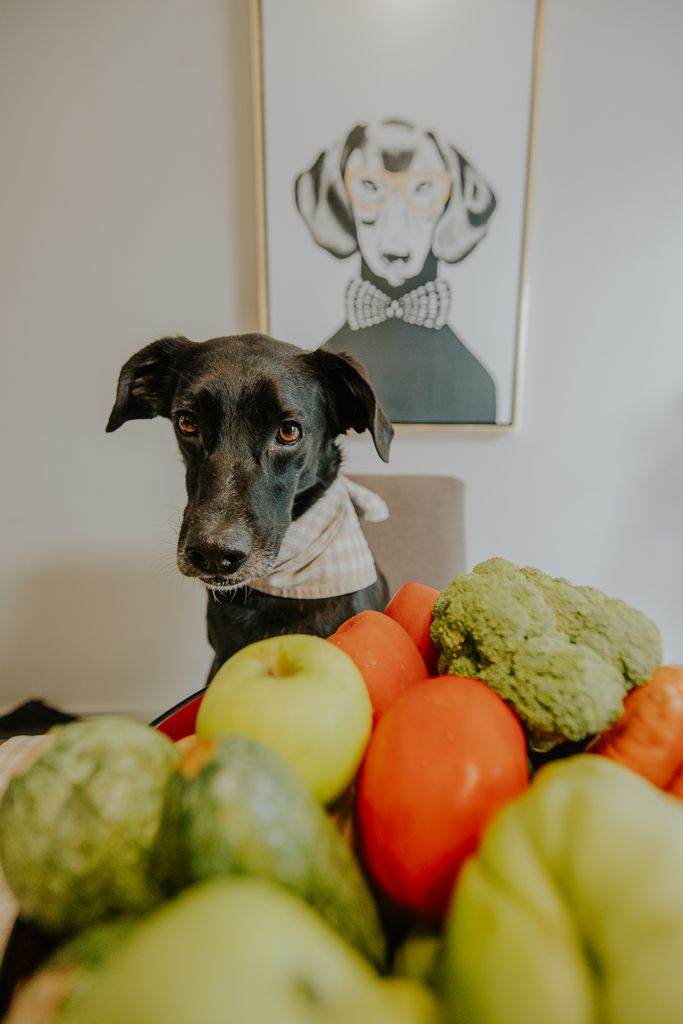
Vegan diets for dogs are increasingly discussed. Recent studies suggest that when properly formulated, they can be safe and even beneficial, provided they are nutritionally complete and balanced. Reported benefits include improved digestive tolerance and skin condition in some dogs, likely reflecting the removal of specific animal protein allergens rather than an intrinsic advantage of plant-based diets. Commercially prepared vegan diets are strongly preferred because achieving nutritional adequacy through home preparation is difficult.
An additional argument in favour of vegan diets is their environmental sustainability, with recent analyses showing a significantly lower environmental impact compared to meat-based pet foods.
Prescription diets
Prescription diets are an important therapeutic tool for specific medical conditions such as chronic kidney disease, liver disease, urinary disorders, pancreatitis, diabetes, obesity, among others. They are manufactured by commercial veterinary brands and are most commonly available as processed diets in both dry and wet forms. For targeted animals, these diets often play a central role in disease management and, in some cases, are the only available non-pharmacological treatment. Prescription diets should only be used under veterinary guidance, as inappropriate use can be ineffective or even detrimental outside their intended indication.
Marketing claims and traps
Many of these terms lack a consistent scientific or regulatory definition, and their use in marketing is often not supported by robust comparative nutritional studies.
Hypoallergenic
Hypoallergenic diets aim to reduce immune reactions to food proteins, which are the most common dietary allergens. This is most often achieved through protein hydrolysis, where proteins are broken down into fragments too small to be recognised by the immune system, although this is not always fully effective. Other diets rely on novel protein sources, such as venison, kangaroo, or insect protein, which may initially avoid immune recognition but can lose effectiveness over time as sensitisation develops.
Insect-based diets
Insect-based diets are a recent trend and are often marketed as hypoallergenic and sustainable. As discussed above, their hypoallergenic claims likely reflect the use of novel protein sources. While sustainability is a valid argument, research on long-term nutritional safety and clinical outcomes in dogs remains limited.

Urinary s/o or urinary health
These claims are often associated with urinary tract support, but not all diets carrying this wording have the same formulation or clinical effect. True urinary diets are designed to alter urine composition and should be used appropriately.
Light
“Light” diets may refer to reduced calorie content, reduced fat, or portion guidance, but the definition varies widely across products and does not automatically mean they are suitable for weight loss.
Natural
This term has no consistent nutritional or regulatory definition and is often used as a marketing descriptor rather than a marker of nutritional quality or suitability.
Overall, these claims should be interpreted cautiously. When in doubt, discussing diet choices with a vet helps ensure that money is spent on a product appropriate for the dog’s actual needs.
Conclusion
Choosing what to feed a dog is not about finding a universally “best” diet, but about identifying what is most appropriate for an individual animal. Nutritional needs vary, and no single feeding approach suits all dogs. Once these needs are clearly identified, practical considerations such as budget, lifestyle, and personal convictions also play a role. An informed choice balances nutritional adequacy, health requirements, and what is realistically sustainable for both the dog and the guardian.
References
- Zhang J, Ji Y, Yang Y, Wu Z. Grain-Free Diets for Dogs and Cats: An Updated Review Focusing on Nutritional Effects and Health Considerations. Animals. 2025; 15(14):2020. https://doi.org/10.3390/ani15142020
- -P. R. Buff, R. A. Carter, J. E. Bauer, J. H. Kersey, Natural pet food: A review of natural diets and their impact on canine and feline physiology, Journal of Animal Science, Volume 92, Issue 9, September 2014, Pages 3781–3791, https://doi.org/10.2527/jas.2014-7789
- Davies, R.H., Lawes, J.R. and Wales, A.D. (2019), Raw diets for dogs and cats: a review, with particular reference to microbiological hazards. J Small Anim Pract, 60: 329-339. https://doi.org/10.1111/jsap.13000
- Domínguez-Oliva, A.; Mota-Rojas, D.; Semendric, I.; Whittaker, A.L. The Impact of Vegan Diets on Indicators of Health in Dogs and Cats: A Systematic Review. Vet. Sci. 2023, 10, 52. https://doi.org/10.3390/vetsci10010052
- -Davies, Mike. “Reported health benefits of a vegan dog food–a Likert scale-type survey of 100 guardians.” bioRxiv (2022): 2022-05.
- Knight A (2023) The relative benefits for environmental sustainability of vegan diets for dogs, cats and people. PLoS ONE 18(10): e0291791. https://doi.org/10.1371/journal.pone.0291791