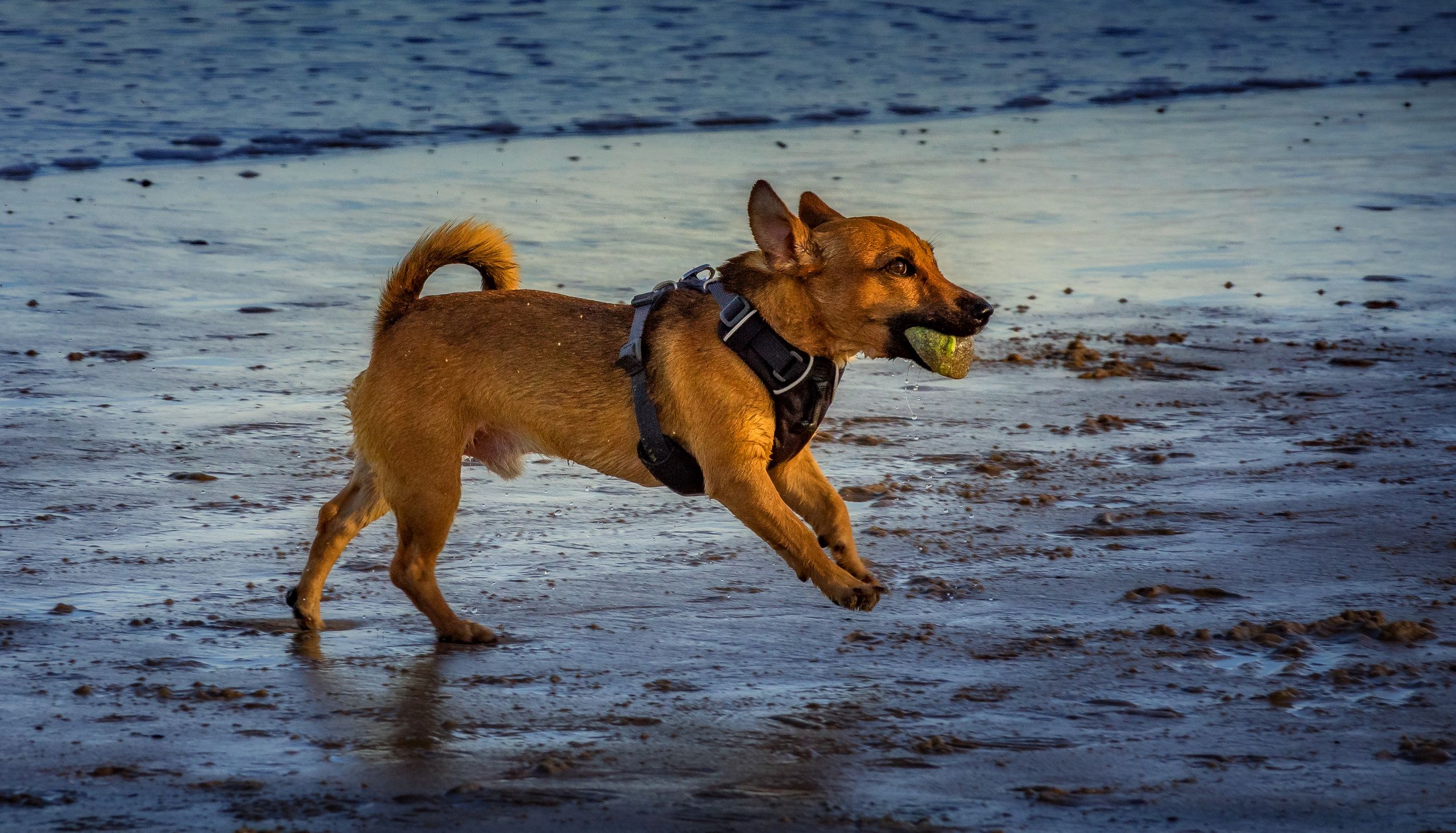
Summer Safety: The 10 Most Common Hazards any Pet-Guardian Should Know.
As a clinician, one of the most predictable patterns of my year is the shift in emergency consultations as the seasons change. Just as we saw certain trends during the spring (follow here for the 10 most common spring hazards article), the arrival of long summer days, beach holidays, and family social gatherings brings a brand-new set of clinical realities.
When the sun comes out, our routines naturally change, and so do our pets’ exposures. In practice, we see the same avoidable emergencies with surprising consistency every single year. To help keep your companions safe while enjoying the sunshine, here is a clinical guide to the most common summer hazards every pet-guardian should have on their radar.
1. Heatstroke: A Life-Threatening Emergency
Heatstroke is perhaps the most critical summer hazard we treat. Unlike humans, dogs cannot sweat efficiently to cool down but instead, rely primarily on panting. The process becomes less effective as temperatures and humidity rise. When a pet’s core body temperature climbs beyond a certain threshold, it can rapidly lead to cellular damage, seizures, coma, and multi-organ failure.
The High-Risk Scenarios
- While confined spaces like cars are classic culprits, we regularly treat heatstroke caused by simple exertion.
- Taking a high-energy dog for a run or an intense game of fetch in hot weather can reveal fatal.
- Dogs with thick black coats that absorb more radiations
- Brachycephalic (flat-faced) breeds whose compromised airways make thermoregulation physically inefficient, even for minimal activity.
Prevention
Avoid exercise during peak heat hours (generally between 7-8 AM and 6-8PM). If you are outdoors, proactively interrupt games to enforce rest, seek shade, and offer hydration.
Signs to look for
Intense panting that does not settle, deep red gums, vomiting, diarrhoea, seizures, coma.
First-Aid Action
If you suspect heatstroke, call your vet immediately or make your way there. Start cooling your pet before you get into the car. Use cool (not freezing) water over their body, use fans, and keep the car air conditioning on high.
Clinical Warning
Never force an unconscious or severely distressed animal to drink, as this carries a risk of aspiration (getting water into their lungs).
2. Hidden Burns: Pavements and Sunscreen
Physical hazards can easily be overlooked during our daily routines when the sun is shining:
Pavement Burns
Tarmac and artificial grass absorb an incredible amount of heat which can cause painful thermal burns to your pet’s paw pads. If it is too hot for you to comfortably press your hand against it for several seconds, it is hot enough to cause harm.
Sunburn & Skin Cancer
Pets with white fur, pink skin, or hairless areas (such as the Sphinx cat or Chinese Crested dog) are highly susceptible to solar damage. Repeated sunburn significantly increases their risk of developing a malignant skin cancer commonly seen on ear tips and noses. It is always better to avoid extensive exposure when possible but alternatively, you can protect vulnerable areas with pet-safe, non-toxic sunscreen.

3. Coastal Dangers: Salt Water and Sand
A trip to the coast is a staple of summer, but the beach environment presents two unique clinical issues frequently overlooked
Sea Water Ingestion & Hypernatremia
- When dogs play in the surf, they naturally ingest sea water. Beyond a certain amount, the extremely high salt content draws water out of the body’s cells. This dangerously disrupts internal cellular balance, particularly for brain cells.
- The presenting signs are vomiting, diarrhoea, excessive thirst/urination, aloofness, seizures, and coma.
- Clinical Warning: Do NOT force large amounts of fresh water down a dog you suspect has salt poisoning. Rapidly flooding their system with fresh water can cause severe, fatal brain swelling. Offer water in small, controlled amounts while heading to the nearest vet for treatment.
Sand Impaction
Dogs fetching toys covered in wet sand inadvertently swallow grit. Over a long day, sand can accumulate in the gastrointestinal tract, turning into a heavy, cement-like blockage or impaction. This causes inappetence, vomiting, and tenesmus (straining to defecate), and can sometimes require surgical treatment.
4. Grass Seeds
Summer walks through dry fields and paths expose pets to arrowhead-shaped grass seeds (like barley). These act like tiny one-way arrows, easily getting caught in the fur progressing through the skin or migrating directly into the skin, eyes, ears, or nose. Because of their barbed shape, they do not stay still; they track deep into the body’s tissues, sometimes migrating far away from the initial entry point, and can even track all the way into muscles and cavities. Dogs with longer, curly coats, like Spaniels, are highly susceptible as their fur easily traps the barbs. Keeping your pet coat in a short trim during the summer (particularly around the paws and the toes) and making a habit to check their coat and paws twice a day while petting them, can help mitigate the issue.When a seed migrates internally, it can be incredibly difficult to find and often requires advanced imaging like a CT scan just to locate it before performing surgery to retrieve it. Others can progress deep in the respiratory system and require endoscopy (bronchoscopy) or in the most severe instances, a lobectomy (removal of pulmonary lobe).
5. Insects and Parasites: The Warm Weather Surge
The rise in summer temperatures accelerates the life cycles of various external parasites, leading to spikes in clinical presentations.
Fleas
- they thrive in warm environments.
- Beyond intense itching, some animals can suffer from allergic dermatitis.
- Severe infestation can lead to anaemia, sometimes life-threatening in young, small or debilitated animals
- They can also transmit secondary parasites like tapeworms.

Ticks
- lurk in long grass, dunes, and woodland areas, often in proximity of deers
- the bite can cause a local and sore inflammation but is generally benign
- In the UK, the main risk of tick-borne disease is Lyme disease, although rare, it is endemic in some regions.
- If you travel abroad, other risks might apply (read here all the recommendations to travel with your pet safely)
- If you find a tick, don’t attempt to pull it with tweezers but instead, use a proper tick hook to remove it cleanly without leaving the mouthparts behind.
Flystrike
They are caused by the rapid development of maggots after flies have laid eggs on wounds or soiled/ moist surfaces. While most common in rabbits and guinea pigs with “sticky bottoms,” flystrike can happen to any pet with an open wound, severe diarrhoea, or significant soiling (including overweight cats, senior pets soiled with excrements or presenting bed sores or bitches with pyometra discharge). This is an absolute, agonising medical emergency that regularly ends in euthanasia.
Insect Bites & Stings
Bee and wasp stings are incredibly common as pets investigate gardens. While usually limited to local swelling and moderate pain, a sting inside the mouth or hyper-sensitivity can lead to an allergic reaction or an obstructive swelling that requires urgent medical intervention.
For most parasites, prevention using prescription-strength POM-V (Prescription Only Medicine) treatments is most effective.
7. Adder Bites
Adders are the only venomous native snakes in the UK. They hibernate in secluded and confined spaces in the winter and like to bask in the summer sun in long grass, moorlands, and sand dunes. Dogs often inadvertently disturb them while sniffing around. Adder bites are a time-critical emergency that can cause severe, rapid swelling, pain, bruising, and systemic shock. If you suspect a bite, the first-aid is to interrupt any activity/ exercise and carry your dog to the car to prevent the venom from spreading faster through circulation, then head straight to the clinic. Treatment varies based on the severity of the symptoms, often correlated to the amount of venom injected at the time of the bite. The most minor cases require pain management and fluidotherapy while the most severe cases require anti venom therapy and management of cardiac arrhythmia. Early treatment has a good prognosis but success rate is reduced with delayed intervention.
8. Summer Trauma: Bites, Fights, and Falls
With longer daylight hours and open windows, we naturally see an increase in trauma cases in the emergency services.
- Dog Fights & Bites: More dogs crossing paths in parks, beer gardens, and on holidays naturally leads to a rise in territorial or fear-based dog fights, resulting in complex bite wounds, cuts, and tears.
- Cat Fights & High-Rise Syndrome:
- Cats spend more time roaming outdoors at night during the warmer months, increasing the risk of cat fight abscesses.
- Open windows in upper-floor flats lead to a seasonal phenomenon we call “high-rise syndrome,” where cats slip from windowsills, resulting in severe impact injuries and fractures.

9. Social Gatherings: BBQ Hazards and Foreign Body Ingestion
Summer socialising introduces specific dietary and toxicological risks into our pets’ environments.
BBQ Hazards & Foreign Bodies
- Cooked bones from the grill splinter easily and can cause severe internal perforations.
- Corn on the cob is a classic summer emergency being completely indigestible and perfectly sized to lodge in a dog’s small intestine. It almost always requires emergency surgery to remove.
- Rich, fatty foods can also trigger acute, incredibly painful bouts of pancreatitis.
- alcoholic drinks left lying around can lead to alcohol poisoning
Recreational Drugs
With more people gathering in parks and festivals, we see a distinct spike in pets second handedly ingesting discarded recreational substances (such as cannabis and synthetic drugs). Pets are highly sensitive to these toxins, often presenting with profound neurological symptoms, disorientation, and heart rate irregularities that sometimes require intensive supportive clinical care.
10. Blue-Green Algae Blooms
During periods of warm weather and low rainfall, stagnant fresh water (like lakes and ponds) can develop blooms of blue-green algae (cyanobacteria). It often looks like a greenish scum or streaks of paint on the water’s surface.
These blooms produce highly potent toxins. Ingestion (drinking the water or just licking wet fur after a quick swim) or contact with the skin can cause rapid, life-threatening liver failure or neurological distress. Always keep your dogs on a lead around suspicious inland water sources during the peak of summer. If you think your dog has been in contact with algae, make sure you rinse them profusely with fresh water (especially around the mouth) and seek veterinary support immediately.
When to Contact Your Vet Urgently
If you notice any of the signs below, please seek immediate attention
- excessive and loud panting or difficulty breathing
- repeated vomiting or diarrhoea
- collapse, sudden weakness
- deep red or pale gums
- tremors, shaking or seizures
- penetrative wound or acute bleeding
- ingestion of known or unknown toxin
Summer is a wonderful time to bond with our companions, and a few proactive changes to our daily routines can help keeping them safe. In any case, early intervention is always the safest course of action.




One Comment