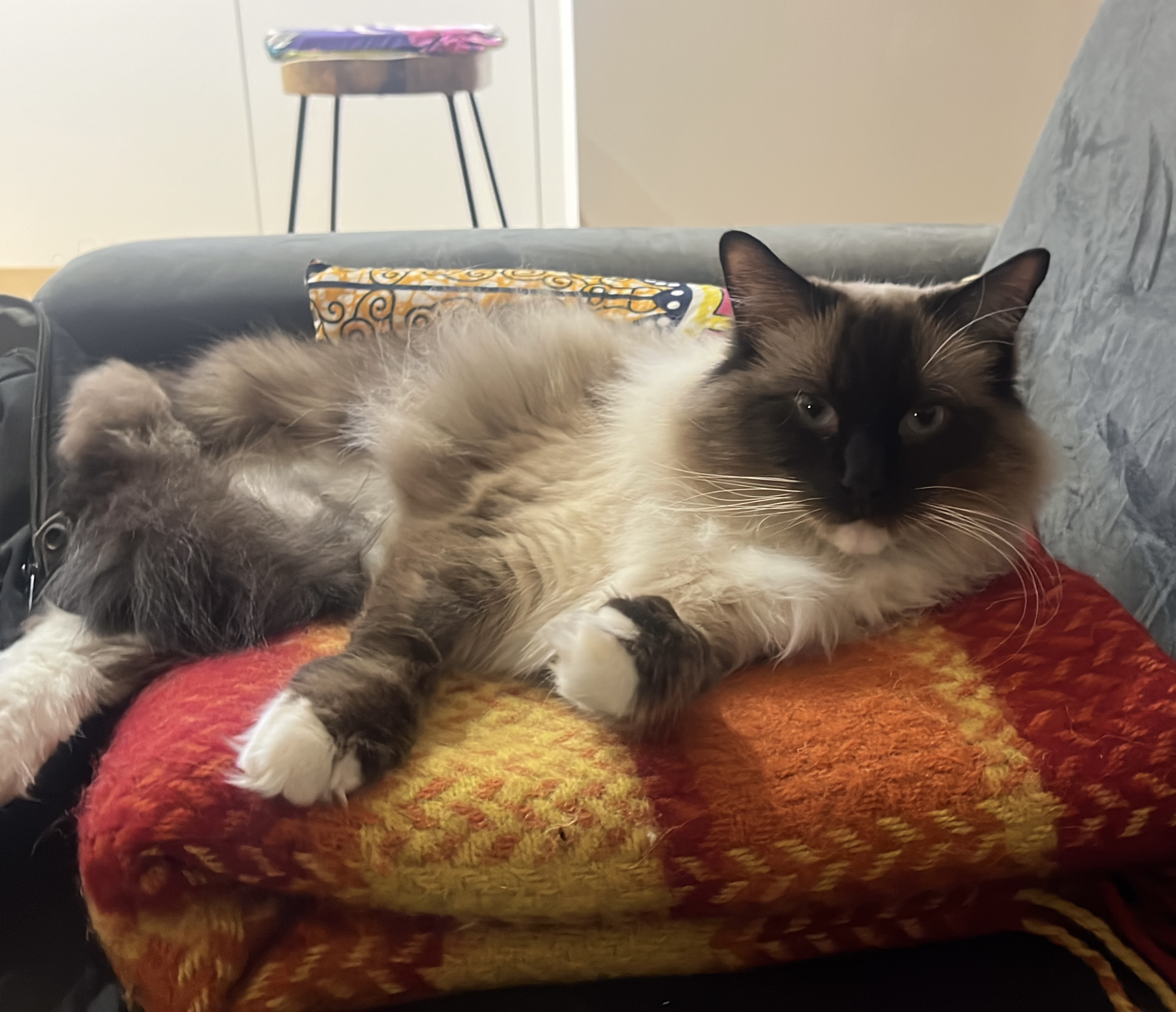
Why consider a cat dentist: my own cat’s journey
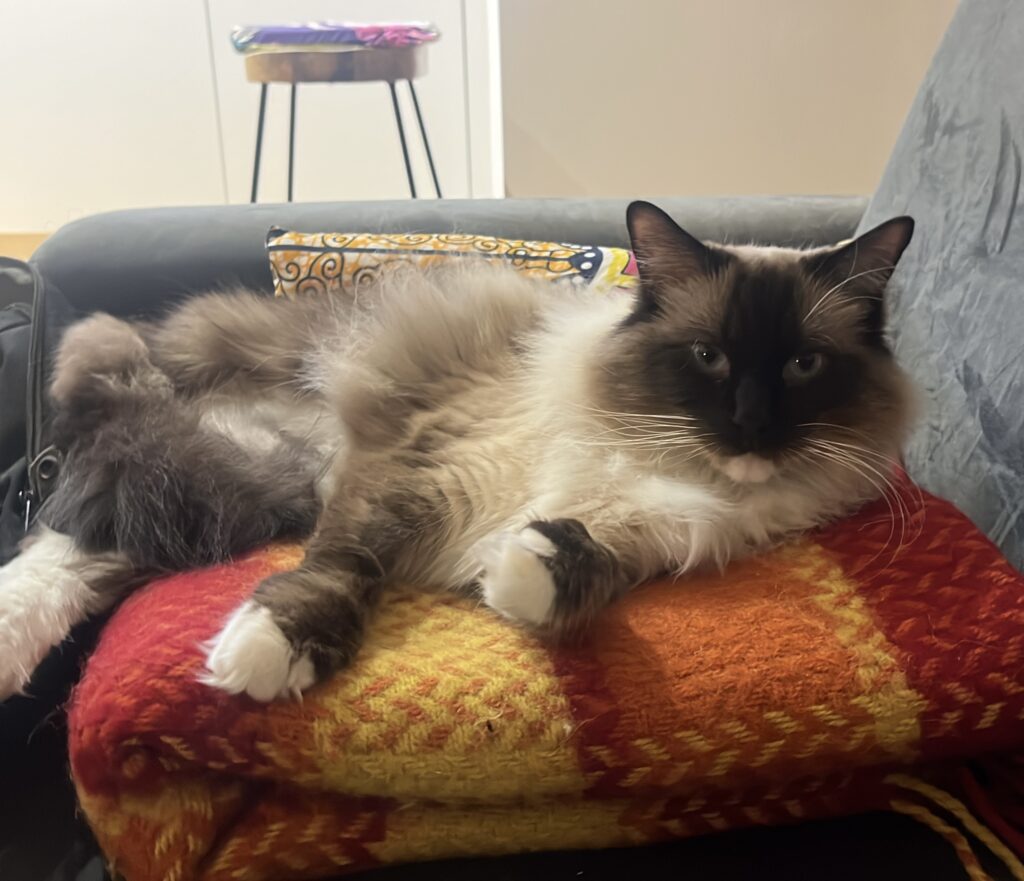
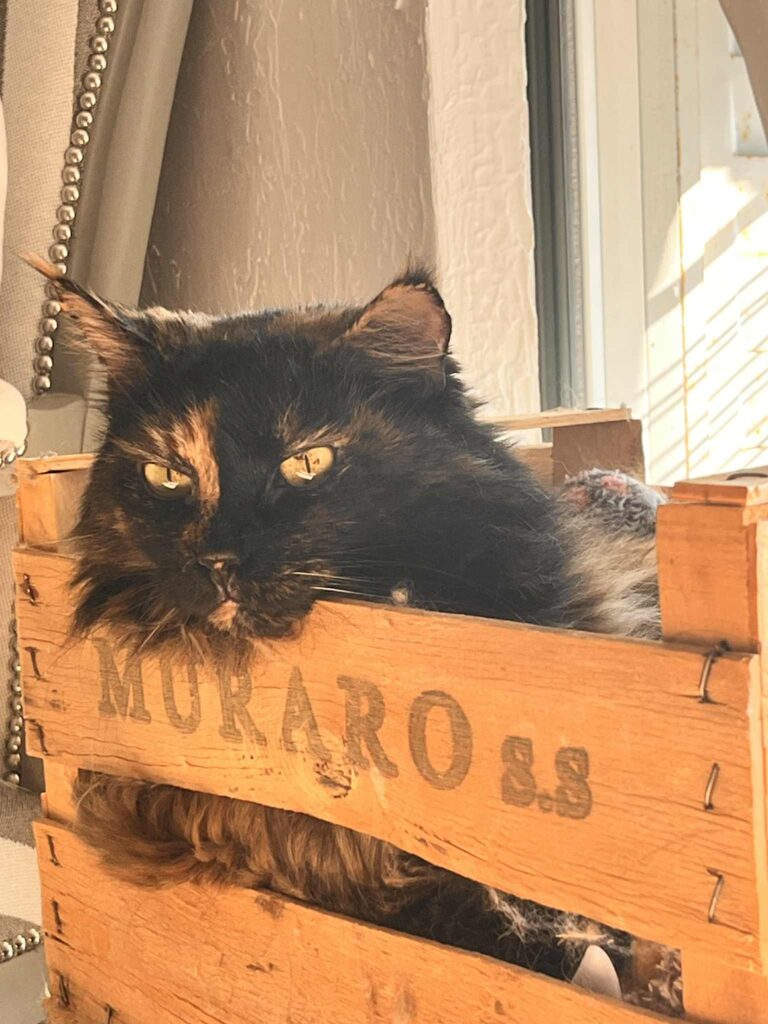
Obi is a rescue, and as such, I wasn’t the one managing his health in early life. Although he was generally healthy when I got him, if you discount losing a limb and having fleas, he already had a bit of calculus on his teeth at 20 months old. Although Obi is a very nice and placid cat that allows me to brush his teeth, I could never remove the mineralised build-up by brushing alone; it only helps to slow down the issue. I knew from early on that he would need to be booked for a dental procedure soon enough to prevent damage to his gums and oral pain. Today was the day he finally met the cat dentist.
From plaque to a cat dental abscess: why prevention matters
In clinical practice, I still find that dental care is often the “forgotten” part of a pet’s health regimen until it is too late. Often, guardians only seek help once problems have clearly emerged, pain is present, and a large vet bill is unavoidable. Our pets, like us, use their teeth every day. By comparison, it is easy to understand what would happen to our teeth if they were left unbrushed and uncleaned for 10 or 15 years. Bad breath, cavities, and decaying teeth are all signs that intervention is overdue.
In the mouth, bacteria produce plaque, that sticky film you can feel on your own teeth when you wake up. If this isn’t dissolved by cleaning, it mineralises over time and forms hard chunks of calculus resistant to brushing. Large amounts of tartar trigger inflammation (periodontal disease). As the calculus pushes against the gums, it causes recession and progressively exposes the dental roots so the teeth become wobbly. When left untreated, bacteria can track deeper, under the dental root, and lead to painful dental abscesses.
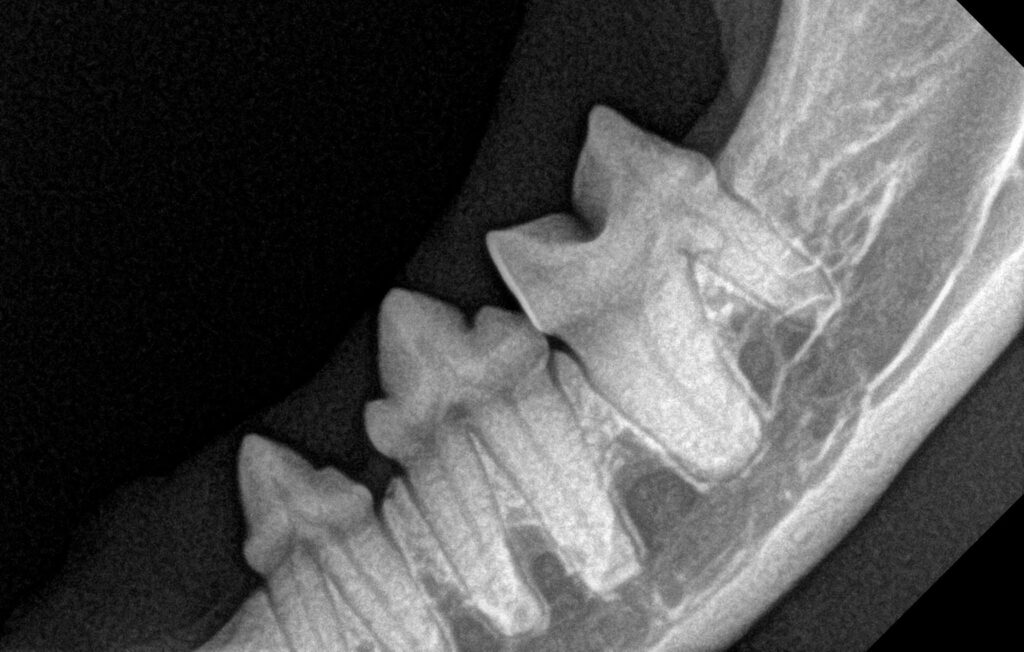
Cats can also suffer from Feline Oral Resorptive Lesions (FORL), an immune-mediated disease where the body essentially dissolves the teeth. Whether it affects the crown or the roots under the gum line, it is incredibly painful and rarely visible during a standard oral examination, requiring dental X-rays for a conclusive diagnosis.
When a cat dentist can be helpful
Back to Obi, being now five years old with no macroscopical evidence of FORL but a little calculus and some mild gingivitis, it felt like the right time to take action. Balancing my skills as a vet with my heart as a “pet mum” is a challenge; these are two hats that often clash. I learned the hard way that when it comes to your own animal, the pressure and the guilt can be too much to bear. I decided long ago that, beyond daily prophylactic care, I would happily let someone else handle the clinical cases for my own pets.
After doing a bit of research, I opted to take Obi to a dedicated dental clinic that recently opened near me. In practice, these clinics often provide a more thorough assessment and treatment of dental disease, particularly when imaging and advanced procedures are required. They are vet professionals with a streamlined, gold-standard approach, and the clinician in charge of Obi had a dental certificate, meaning they held additional qualifications in dentistry compared to a GP vet like me.
Best of all, that quality of service was extremely competitive. I was quoted £240 for the hospitalisation, anaesthesia and drugs, a dental cleaning, full-mouth X-rays, and a fluid perfusion during the procedure. If he required extractions, the total cost would have risen to £590 (instead of £690), thanks to a February special offer. In some cases, these procedures may be covered by pet insurance, depending on the policy. In some cases, these procedures may be covered by pet insurance, depending on the policy. I have explained dental cover and what to look for in more detail here.
Inside Obi’s dental procedure
Obi protested that he couldn’t get his breakfast, but pets must be fasted before general anaesthesia. Instead, I gave him some Gabapentin to help with the 15-minute car journey and as a pre-emptive measure for the IV cannula placement. Obi has never liked the car and has become reactive to needles after previous surgeries, so I didn’t want him to stress unnecessarily. This was the vet in me approaching the issue, as Gabapentin is a prescription drug, but I also made sure to discuss it with the clinical team, as it affects the quality of the anaesthesia. If your cat is also nervous in various situations, I have discussed feline anxiety and how to manage it in more detail here.
During any car ride, Obi is in charge of the playlist, of course, so we played some classical violin tunes to soothe him and prevent verbal protests! Arriving at the surgery, I shielded him in his carrier to avoid a “cat-friendly” dog in the waiting room, and we didn’t wait long before he was weighed in at 5.7kg. He’s carrying a bit of winter weight he’ll need to drop by summer.
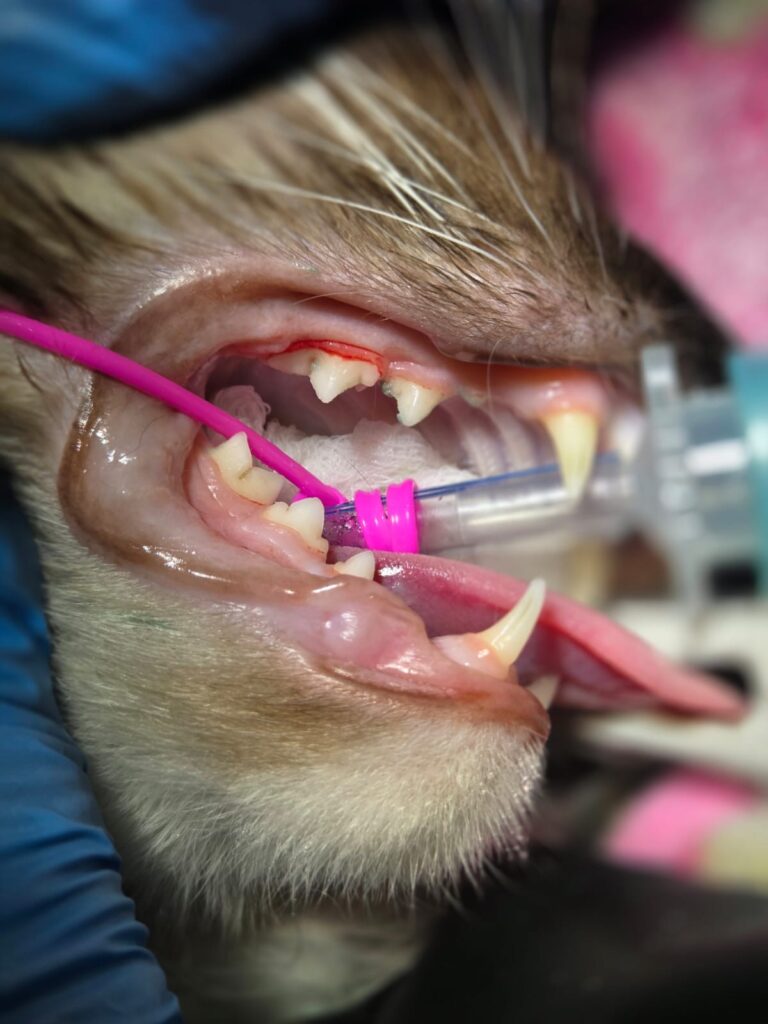
Once admitted, he had his IV cannula placed and was put on a drip to support his system. After induction, a tube was placed in his airways to help him breathe the anaesthetic gas mix while ensuring no fluids from the dental work could leak into his lungs. The dentist then took a series of dental X-rays to assess each tooth individually. The news was the best it could be: no extractions and no FORLs. His teeth were cleaned with an ultrasonic scaler, and he was soon in recovery. He came home a few hours later after an overdue meal, some cuddles and a goody bag with all the essentials for dental care. I have outlined practical approaches to pet dental care here.
Aftercare and the team behind it
He is home now and doing well, and despite a seamless procedure and a vet mum, the practice still called me the next day to check in and make sure everything was fine. I want to give real kudos to all the staff for their brilliant job, but mostly the nurses who never get enough credit or spotlight for their amazing contribution. They are the ones monitoring every breath during anaesthesia and nursing patients through recovery, so they feel safe and calm. I see them at work every day, and they deserve so much more recognition. Whenever you can, make sure the nurses feel seen and appreciated.
One Comment