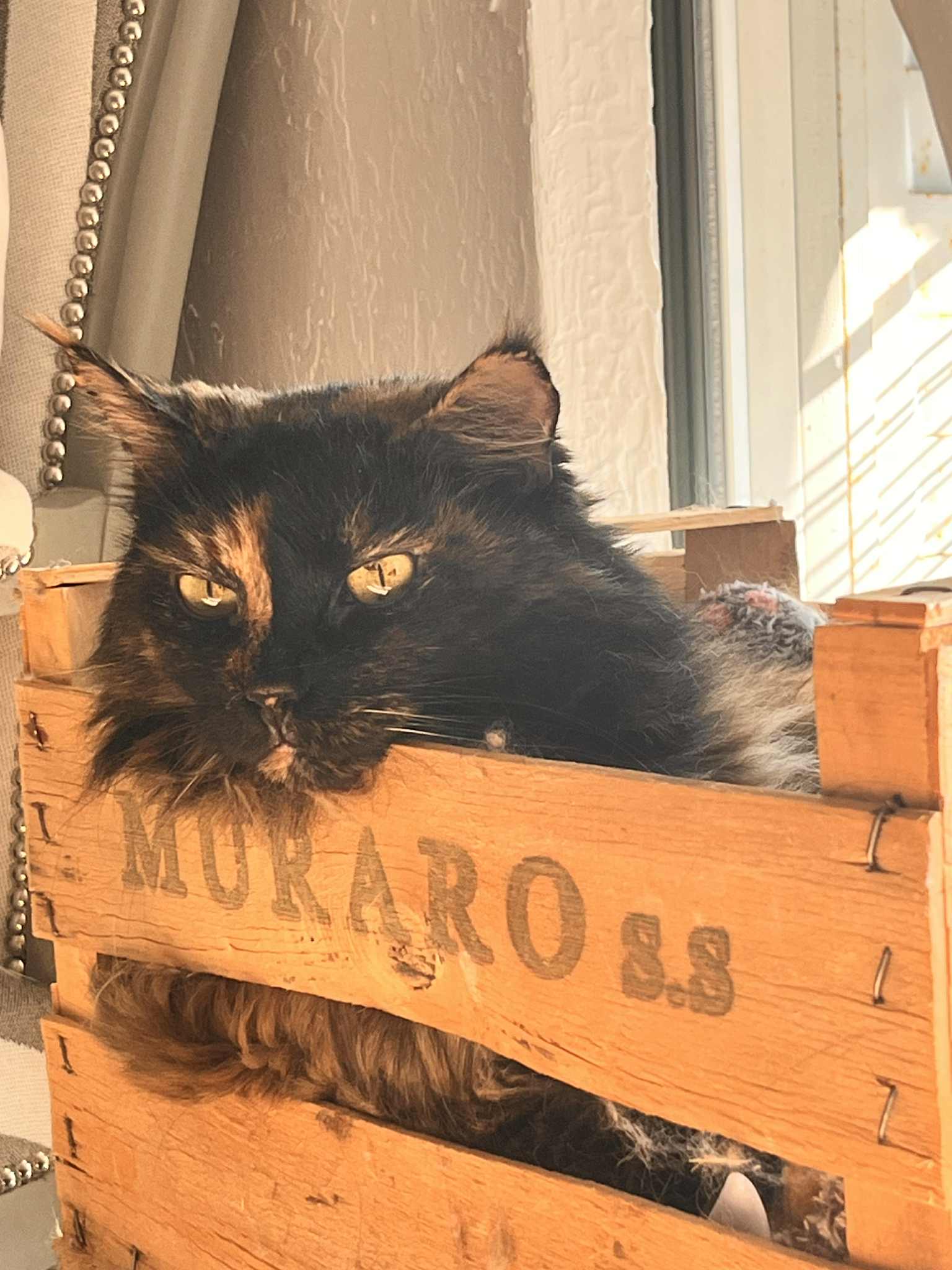
Anxiety in Cats: Learn to Recognise & Address It
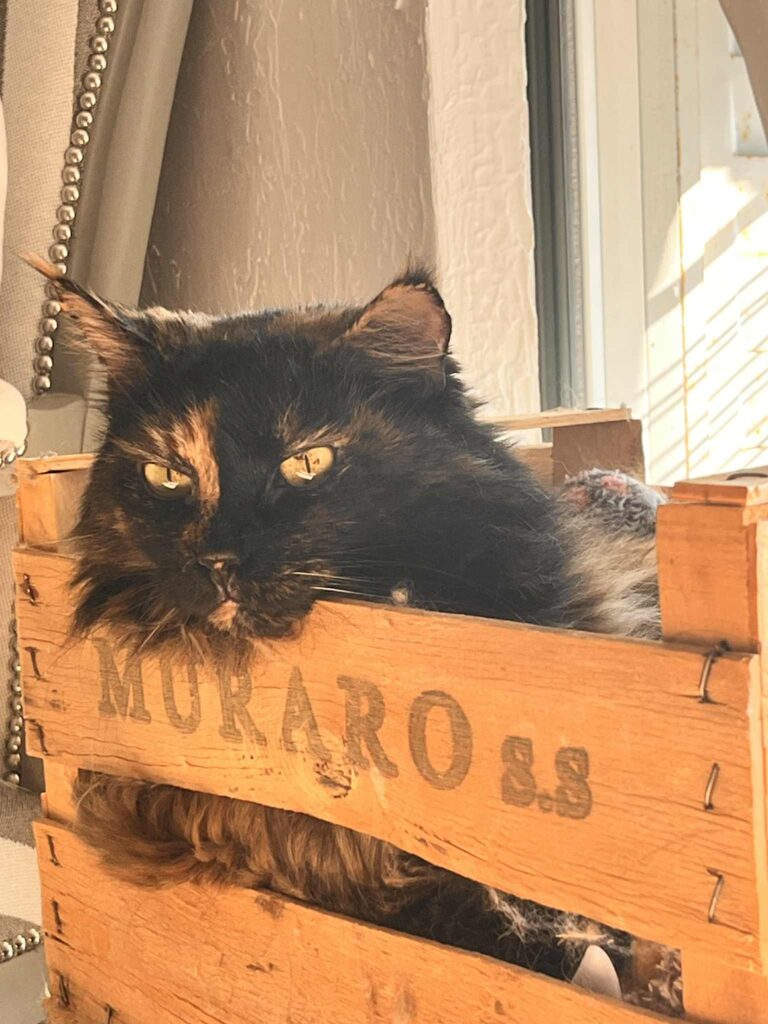
Anxiety in cats is common but often subtle, and many guardians do not realise that early emotional stress can lead to both behavioural changes and physical illness. In cats, mental and physical health are so closely intertwined that each can influence the other. For this reason, anxiety should never be viewed in isolation, and veterinary input is often needed to mitigate or prevent medical complications.
Like people, some cats are naturally more laid back and confident, while others are more nervous and anxious. Factors such as breed and early exposure to different situations influence a cat’s resilience. For example, a cat that has had limited experience outside the home may be more wary of new environments and unfamiliar stimuli. Cats are generally territorial and do not cope well with change. Additions such as a new cat in the neighbourhood, a visitor, a dog or a toddler, as well as losses like the departure of a companion or a favourite person going to college, or disruptions such as building work or stays in a cattery, can all trigger anxiety.
Anxiety in cats can be temporary and linked to a specific situation, or it can be more discreet and chronic. When persistent, it may present through behavioural changes such as hiding, aggression or overgrooming, and can also contribute to physical conditions, particularly affecting the urinary tract. At the same time, behavioural signs attributed to anxiety should always be interpreted with care, as pain or underlying medical conditions can produce very similar changes. Veterinary assessment is therefore often necessary to identify the underlying cause of abnormal behaviour and determine the most appropriate course of action. Reducing stress during veterinary visits is an important part of this process, and I have outlined how I approach cat-friendly consultations in practice here.
Signs of Anxiety in Cats
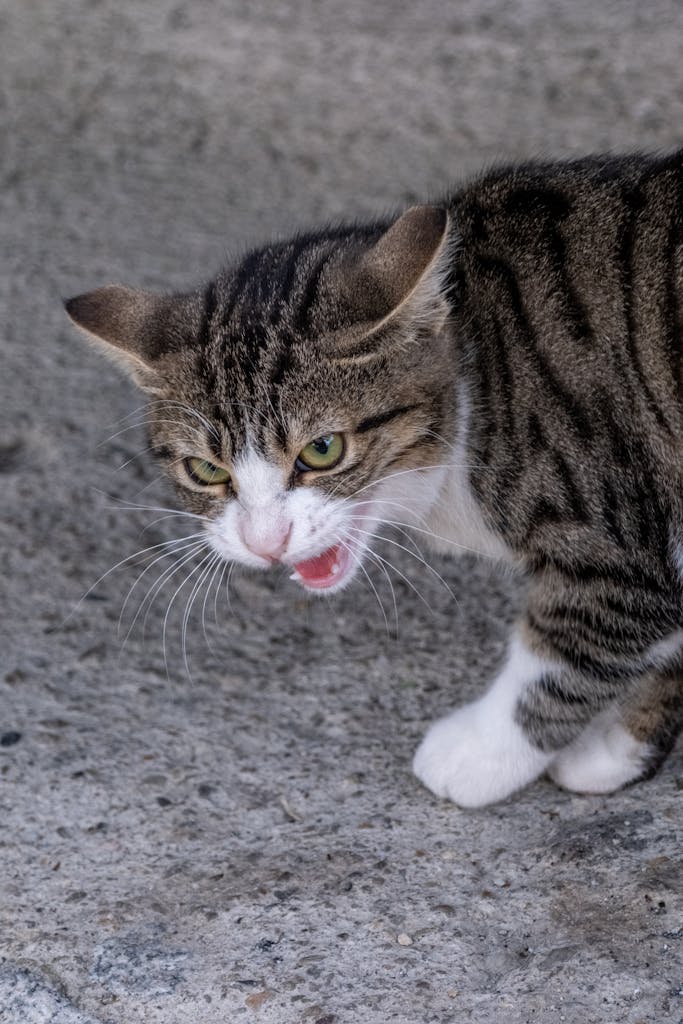
Anxious cats may hide, avoid contact, appear withdrawn or hiss if approached. Some may become unusually clingy, while others show irritability or aggression. Overgrooming is common, particularly on the flanks, lower abdomen and back legs, and can lead to thinning or broken hair and problems linked to excessive ingestion of hair. Increased scratching may occur as an attempt to re-establish or reinforce territory.
Stress also affects the urinary tract. Many people refer to these episodes as a urinary tract infection, but in most cases, there is no bacterial infection at all. Instead, emotional stress can trigger symptoms very similar to cystitis, such as blood in the urine, urinating in unusual places like the bathtub, and frequent, painful attempts to pass small amounts of urine. If a cat strains to urinate and produces little or no urine, especially a male cat, this is an emergency and requires immediate veterinary attention.
Ways to reduce stress in an anxious cat
Identifying the trigger and trying to remedy it is the first step. If a dog or toddler is overstimulating or frightening the cat, creating a cat-only area or safe haven can help. Installing a microchip-operated cat flap, for instance, can prove useful to prevent neighbouring cats from entering the home. Similarly, households with more than one cat are at particular risk of chronic, low-grade stress, even when overt conflict is not obvious, and may benefit from early veterinary and behavioural guidance.
When the environment cannot be fully modified or when these changes are no longer enough, pheromones can be considered. Pheromones are chemical messages cats release through scratching, urine marking and facial rubbing. Products such as Feliway are designed to mimic some of these signals and indicate to the cat that the environment is safe. There are diffusers for general anxiety, sprays for travel carriers and formulations for multi-cat households to support cohabitation.
It is important to be cautious with products such as essential oils, which are sometimes suggested for calming purposes. Many of these compounds can be toxic to cats, particularly when diffused in enclosed spaces or applied directly to the skin. Cats have a limited ability to metabolise certain substances, and exposure can lead to serious health issues. For this reason, I would advise against using essential oils in cats unless specifically recommended by a veterinary professional.
Environmental management remains the foundation of managing anxiety in cats, but improvement is often gradual. If the problem persists despite appropriate changes, veterinary input is important to reassess the situation and consider additional support.
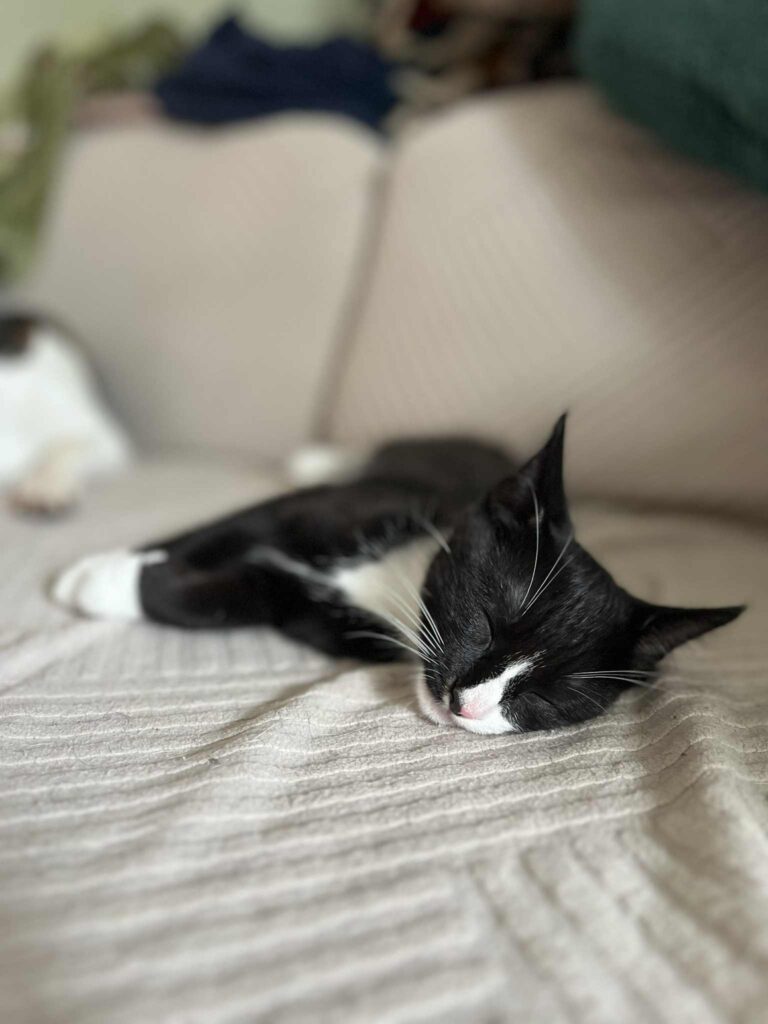
Enrichment and routine for anxious cats
Many anxious cats benefit from increased environmental enrichment. Predictable routines, hiding places, vertical spaces, food puzzles and gentle interactive play can all help reduce stress. Cats feel more secure when they have control over their environment, so providing choice, safe retreats and mental stimulation can significantly support their wellbeing alongside other management strategies.
Calming remedies explained and when to use them
Valerian-based products & catnip
Valerian can have mild calming effects in some cats, although responses vary. Catnip tends to act more as a play stimulant than as an anxiolytic, so its usefulness is often indirect, encouraging activity and subsequent relaxation rather than reducing anxiety itself.
Bach flowers
Rescue Remedy drops are sometimes used for short-term triggers. My own experience with them has been mixed, but in one memorable case, they were surprisingly effective. When I lived in Italy, I rescued a three-legged tortie called Mitsuba. She disliked even a short drive yet had to face a two-day journey across the Alps, France, Belgium and the Channel when I moved back to the UK. I trialled Rescue Remedy beforehand and, during the journey, gave her a few drops in three separate doses. She remained calm throughout. This will not be every cat’s experience, but in her case, it worked well and avoided the need for stronger medication.
Gabapentin & Pregabalin
Prescription medications may be considered for more severe anxiety or for specific events, such as veterinary visits, that require handling that the cat is not ready to tolerate. These must only be used under veterinary guidance. Many cats respond well to medications acting on GABA receptors.
Supplements derived from milk proteins
Zylkene has become a favourite of mine over the years. They are easy to administer as a milky powder inside a capsule that can be sprinkled onto food, and many cats experience a calming effect. I find them particularly useful for short-to-mid duration stressors such as moving to a new house, introducing a new pet or person or managing a loss.
Tryptophan
This amino acid is a precursor of serotonin. Therefore, it can have a deeper emotional effect, closer to the action of an antidepressant. I tend to consider tryptophan-based supplements for longer-term use, such as naturally wired cats, for those recovering from trauma or in cases that involve tension or aggression.
Mixed combinations
Some calming supplements combine several active molecules and may therefore have a broader effect. Yumove Calming contains a comprehensive blend and is often suited to more significant anxiety, including cases with reactivity or tension. Nutracalm contains L-theanine, tryptophan and GABA-related ingredients and is used for similar situations. Calmex is another option containing tryptophan and can support cats with more pronounced anxiety or temperament issues.
Several veterinary diets also include calming components. Options such as Royal Canin Calm include hydrolysed milk protein and tryptophan and can support cats experiencing ongoing stress or tension. Some urinary diets, such as those in the Hill’s C/d Stress range, include calming ingredients specifically designed for cats prone to stress-related cystitis. These diets can be particularly useful for cats who show a mixture of emotional and urinary signs, but should be recommended by your vet.
Supplements and calming diets are generally safe to use, do not cause dependence and can be stopped easily. Combining environmental management, pheromones and nutritional support usually provides the best results.
Situations warranting a consultation
Anxiety in cats can present in many ways and is often influenced by environment, social dynamics, and individual temperament. While understanding stress-related behaviours can help guardians recognise early warning signs, similar changes may also arise from pain or underlying medical conditions.
A veterinary consultation is recommended when anxiety-related behaviours are persistent, worsening, or do not improve despite appropriate environmental management, enrichment, pheromones, or calming support. Overgrooming that leads to hair loss or skin irritation, ongoing withdrawal, aggression, or marked changes in interaction should be assessed to rule out medical contributors and to guide further management.
Urinary signs such as blood in the urine, frequent attempts to urinate, straining, or urinating outside the litter tray always warrant veterinary assessment. Although these signs are often stress-related, they overlap with serious urinary conditions. A male cat that strains and produces little or no urine requires immediate veterinary attention.
If there is uncertainty about whether a cat’s behaviour is emotional or medical in origin, veterinary input is advised. This is particularly important when stress appears chronic rather than linked to a short-term event.
Conclusion
Anxiety in cats is common, often subtle, and shaped by a combination of temperament, environment, and life experience. Because cats are highly sensitive to change, situations that may seem minor to people can have a significant emotional impact on them. Recognising anxiety early allows guardians to better understand their cat’s behaviour and respond in ways that support emotional wellbeing.
Managing anxiety is rarely about a single solution. Environmental stability, enrichment, predictable routines, and appropriate supportive tools can all play a role in reducing stress and improving quality of life. What works best will vary between individuals, and progress is often gradual rather than immediate.
By approaching feline anxiety with patience, observation, and informed support, guardians can help their cats better cope with daily challenges and, most importantly, live a healthier and happier life.
Useful Resources:
https://icatcare.org/articles/anxious-cats
https://icatcare.org/articles/stress-in-cats
https://icatcare.org/articles/feline-idiopathic-cystitis-fic-in-cats


3 Comments